.png)
.png)
Effective High School Strength and Conditioning Training Programs for Young Athletes

Building strength and conditioning in high school athletes is more than just lifting weights or running drills. It’s about developing a foundation that supports athletic performance, reduces injury risk, and promotes lifelong fitness habits. A well-designed training program tailored to young athletes can make a significant difference in their sports success and overall health.

Why Strength and Conditioning Matters for High School Athletes
High school athletes face unique physical demands. Their bodies are still growing, and their coordination and strength are developing. A strength and conditioning program helps them:
Improve sport-specific skills like speed, power, and agility
Build muscular strength and endurance safely
Enhance flexibility and balance to prevent injuries
Develop mental toughness and discipline through consistent training
Without proper guidance, young athletes risk overtraining, injury, or developing poor movement patterns. A structured program balances intensity with recovery and focuses on technique.
Key Components of a Successful Program
An effective high school strength and conditioning program includes several essential elements:
1. Assessment and Individualization
Before starting, assess each athlete’s current fitness, movement quality, and injury history. This helps tailor exercises to their needs and abilities. For example, a soccer player may need more focus on agility and lower-body strength, while a swimmer might prioritize core stability and shoulder mobility.
2. Proper Warm-Up and Mobility Work
Every session should begin with a dynamic warm-up to increase blood flow and prepare muscles and joints. Mobility drills improve range of motion and reduce stiffness. Examples include leg swings, hip openers, and shoulder circles.
3. Strength Training with Focus on Technique
Strength exercises should emphasize proper form over heavy weights. Common movements include:
Squats and lunges for lower body strength
Push-ups and bench presses for upper body
Deadlifts and kettlebell swings for posterior chain development
Core exercises like planks and Russian twists
Using bodyweight or light weights initially helps athletes master technique and build confidence.
4. Conditioning and Speed Work
Conditioning improves cardiovascular fitness and sport-specific endurance. This can include interval running, shuttle drills, or circuit training. Speed drills focus on quick footwork, acceleration, and deceleration.
5. Recovery and Flexibility
Rest days and active recovery are vital to prevent burnout. Stretching and foam rolling help maintain muscle flexibility and reduce soreness.
Sample Weekly Training Plan for High School Athletes
Here’s an example of how a week might look for a balanced program:
| Day | Focus | Activities |
|-----------|-------------------------------|------------------------------------------------|
| Monday | Strength (Lower Body) | Squats, lunges, deadlifts, core work |
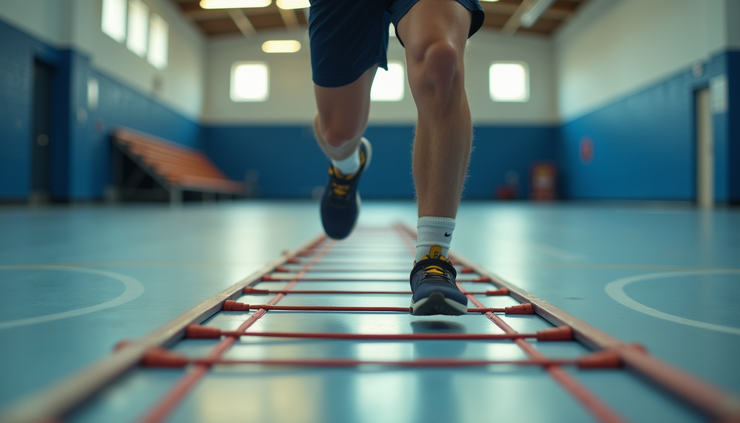
| Tuesday | Conditioning and Speed | Interval sprints, agility ladder drills |
| Wednesday | Active Recovery and Mobility | Light jogging, dynamic stretching, foam rolling|
| Thursday | Strength (Upper Body) | Push-ups, bench press, rows, shoulder stability|
| Friday | Sport-Specific Drills | Plyometrics, reaction drills, endurance runs |
| Saturday | Rest or light activity | Walking, yoga, or swimming |
| Sunday | Rest | Full rest |
This plan balances strength, speed, and recovery to support overall athletic development.
Tips for Coaches and Trainers
Educate athletes on proper technique to avoid injury and build good habits.
Progress gradually by increasing weight or intensity in small steps.
Encourage consistency rather than pushing for quick results.
Include variety to keep training interesting and cover all physical aspects.
Monitor fatigue and soreness to adjust training load when needed.
Promote good nutrition and hydration to support recovery and performance.
Supporting Mental and Emotional Growth
Strength and conditioning also build confidence and discipline. Setting achievable goals and tracking progress helps young athletes stay motivated. Coaches should foster a positive environment where effort is praised, and mistakes are learning opportunities.
Final Thoughts
High school strength and conditioning programs are essential for young athletes aiming to improve performance and stay healthy. A balanced approach that includes assessment, proper technique, varied training, and recovery creates a strong foundation. Coaches, parents, and athletes working together can ensure these programs support growth both on and off the field.



Comments